
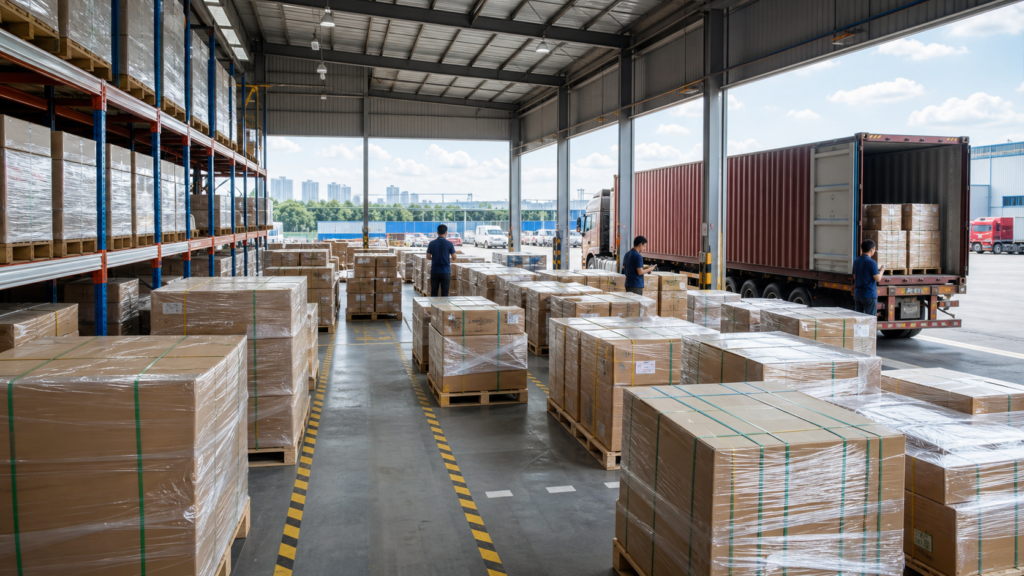
For many first-time importers, finding a supplier in China is actually the easy part. The harder challenge begins after production is complete.
How do you move your goods safely from a factory in China to your warehouse in the United States, United Kingdom, Germany, Canada, Australia, or anywhere else in the world?
This is where a freight forwarder becomes essential.
Unfortunately, not all freight forwarders are created equal. Every year, importers lose thousands of dollars due to hidden fees, poor communication, shipment delays, customs problems, and cargo damage.
In this guide, we’ll explain exactly how to evaluate a China freight forwarder and avoid common mistakes.
Quick Navigation
What Does a Freight Forwarder Actually Do?
Many new importers believe a freight forwarder simply books transportation. In reality, a professional freight forwarder coordinates the entire logistics chain.
Services may include:
- Supplier pickup
- Cargo consolidation
- Warehouse storage
- Export documentation
- Customs clearance
- Ocean freight
- Air freight
- Last-mile delivery
Think of your freight forwarder as the project manager for your shipment.
Why Choosing the Wrong Freight Forwarder Can Be Expensive
The cheapest quote is often the most expensive decision.
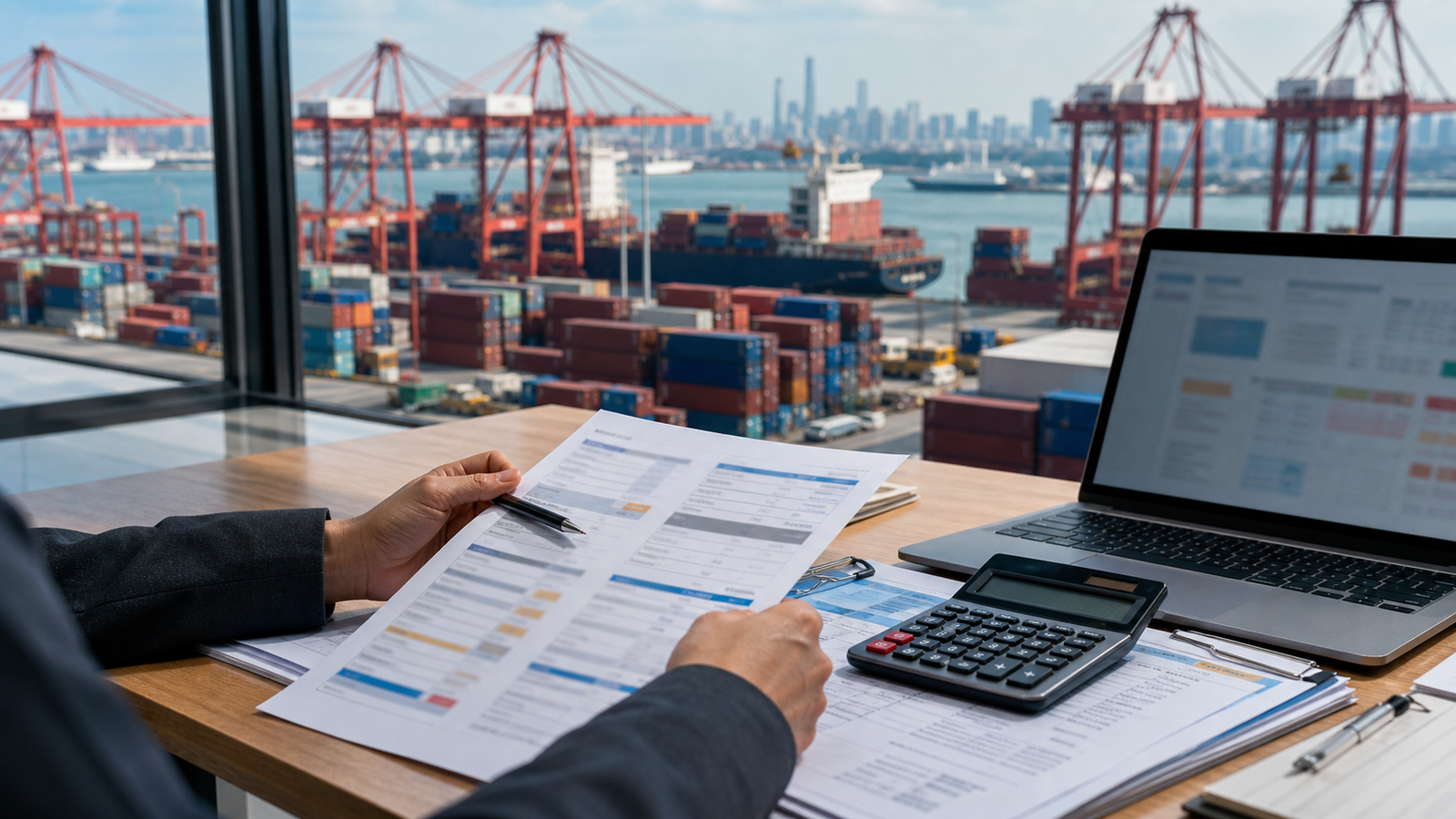
We’ve seen cases where importers were quoted $1,500 for shipping only to receive an additional $900 in destination charges later.
| Charge | Often Hidden? |
|---|---|
| Documentation Fee | Yes |
| Port Handling Fee | Yes |
| Customs Inspection Fee | Sometimes |
| Delivery Appointment Fee | Yes |
| Storage Fee | Yes |
A transparent freight forwarder should explain all possible charges before shipping.
7 Red Flags When Evaluating a China Freight Forwarder
Red Flag #1: Prices Much Lower Than Competitors
If one quote is 30% cheaper than every other quote, ask why. Sometimes forwarders intentionally exclude destination charges to appear cheaper.
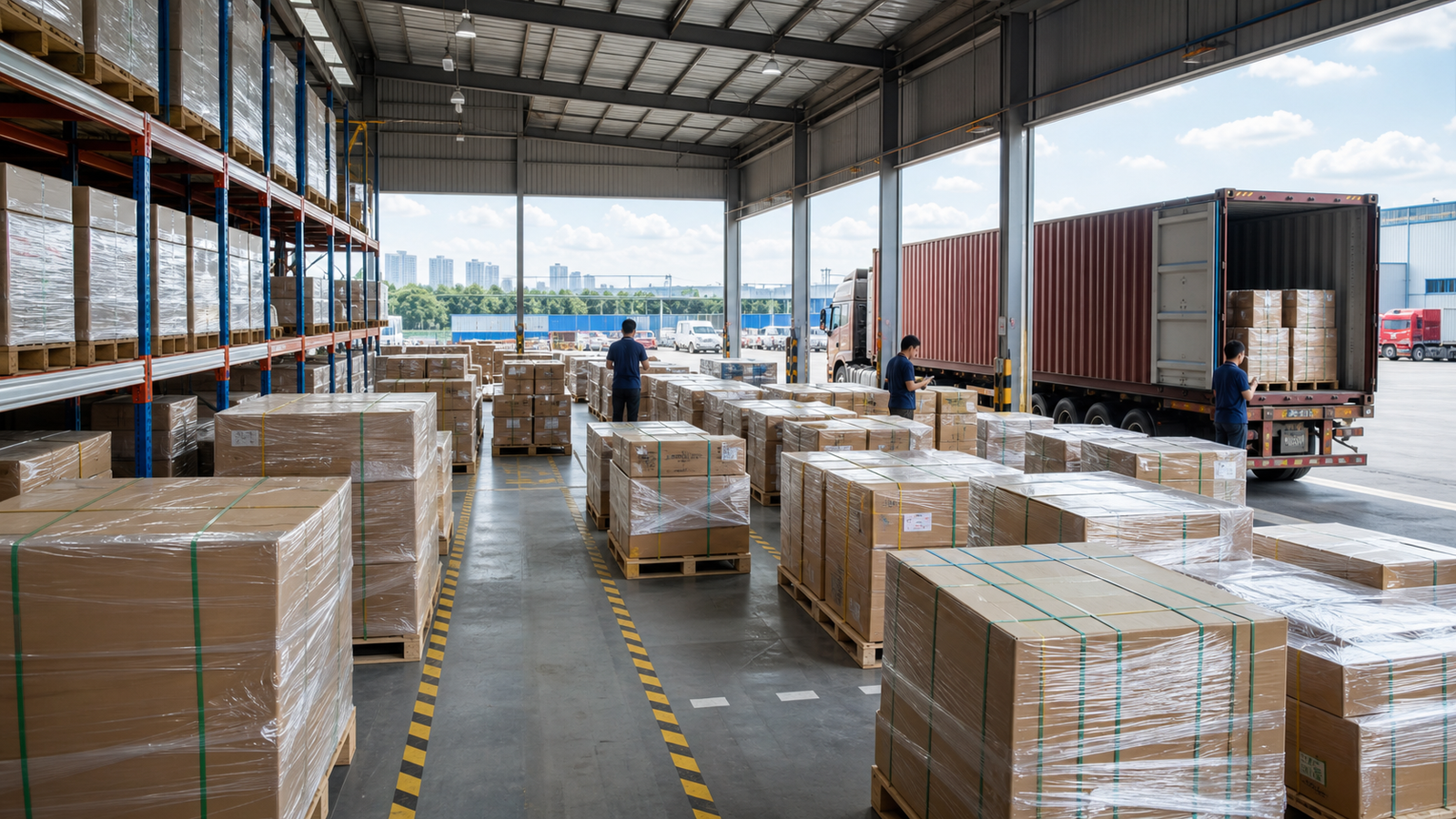
Red Flag #2: No Physical Warehouse
A legitimate freight forwarder should be able to provide a warehouse address, warehouse photos, and warehouse videos.
Red Flag #3: No Experience With Your Destination Country
Shipping to the USA, Germany, Brazil, and Canada all require different logistics knowledge. Experience matters.
Red Flag #4: Slow Communication
Logistics problems often require immediate action. If a company takes 3 days to answer emails before you become a customer, that is a warning sign.
Red Flag #5: No Cargo Insurance Options
Reliable freight forwarders always offer cargo insurance recommendations for commercial shipments.
Red Flag #6: Unclear Tracking Information
You should always know where your shipment is and what the next logistics milestone will be.
Red Flag #7: No Customer References
Ask for case studies or references. Experienced forwarders will gladly share relevant examples.
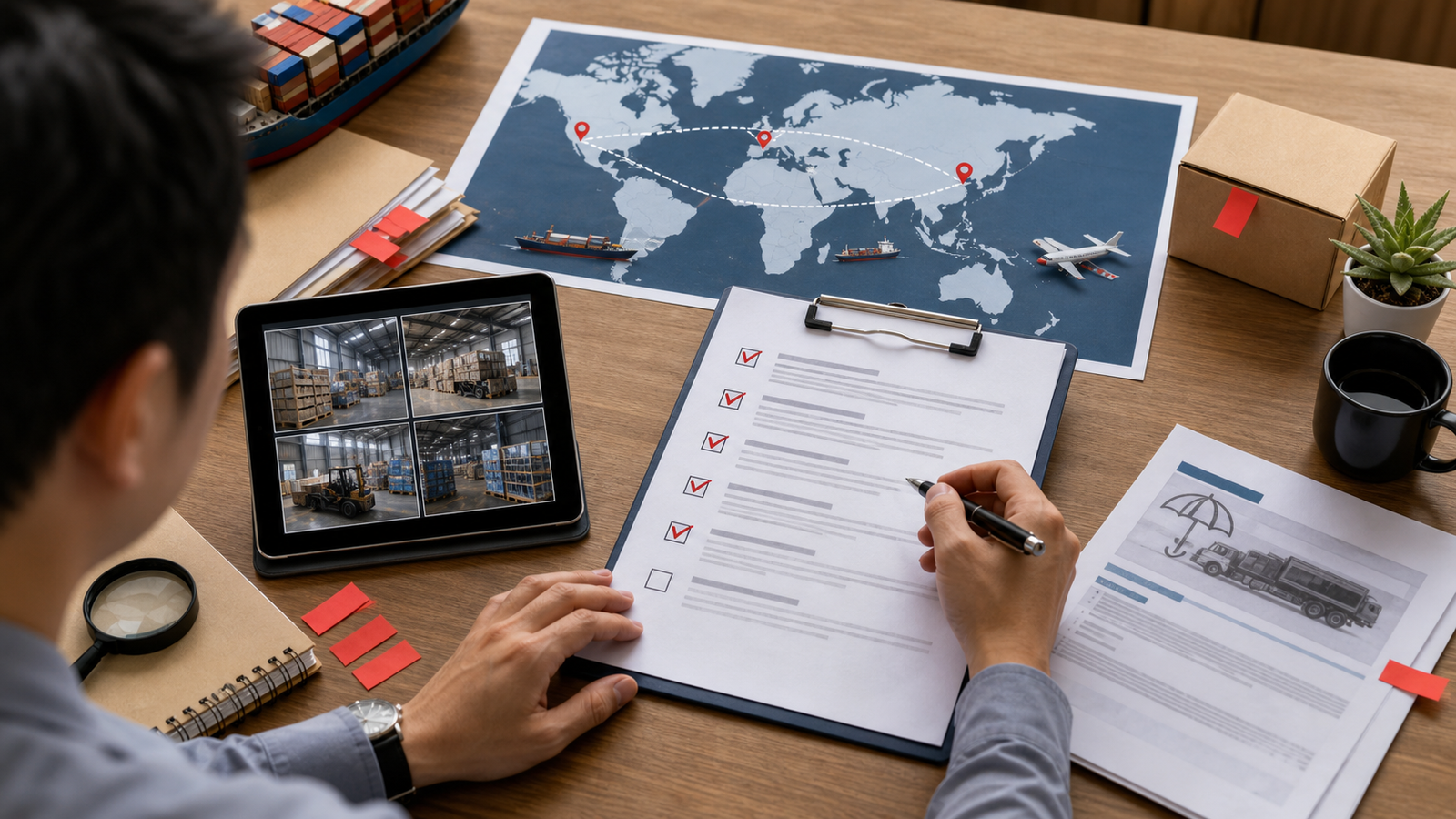
5 Questions You Should Ask Every Freight Forwarder
Before choosing a logistics partner, ask:
Question 1
Do you have experience shipping to my country?
Question 2
Can you provide a full cost breakdown?
Question 3
Do you offer warehouse consolidation?
Question 4
How do you handle customs issues?
Question 5
Can I see recent shipment examples?
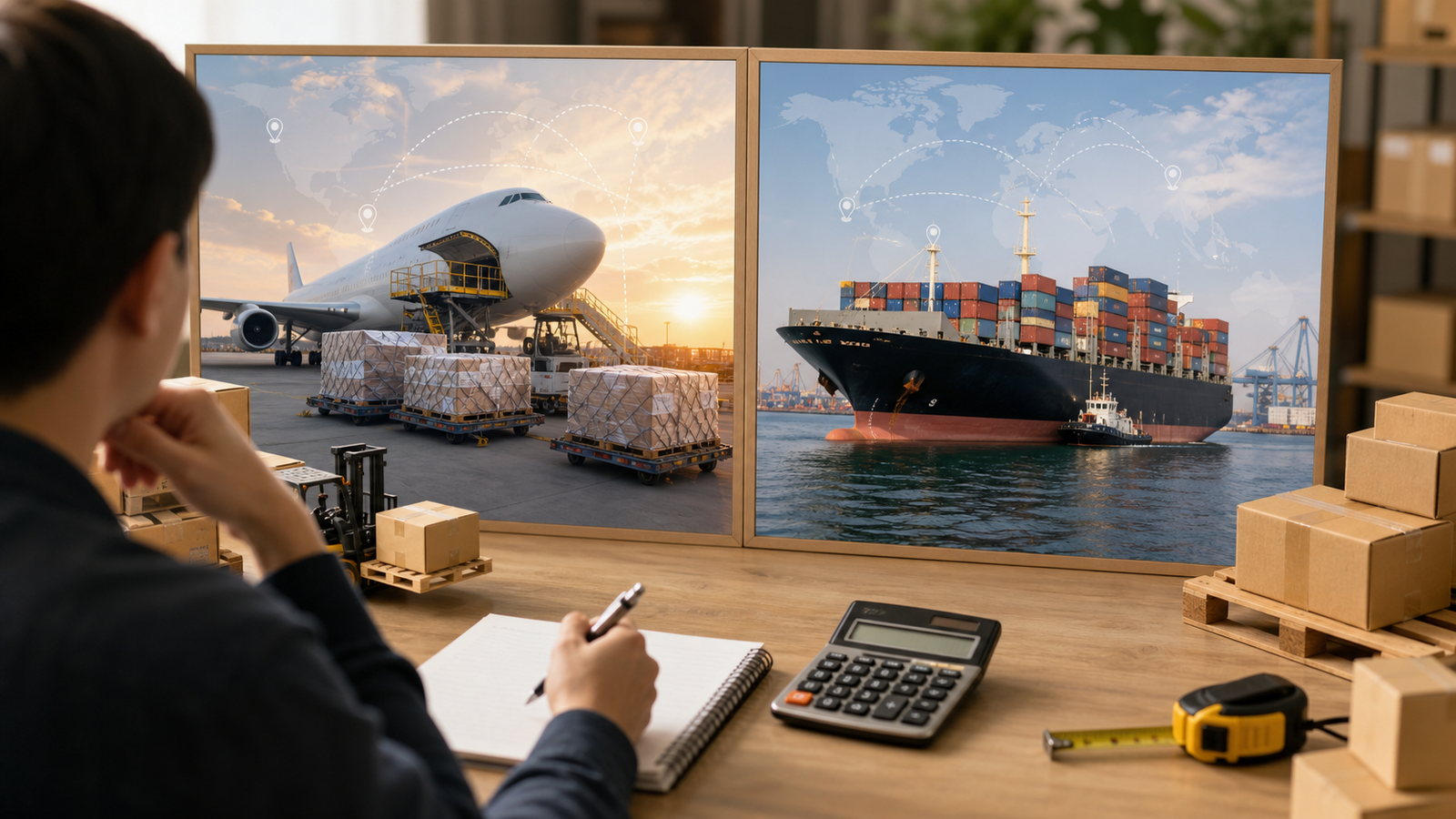
Air Freight vs Ocean Freight: What Should You Choose?
Many importers ask: “Should I ship by air or sea?” The answer depends on your priorities.
| Factor | Air Freight | Ocean Freight |
|---|---|---|
| Cost | Higher | Lower |
| Speed | Faster | Slower |
| Large Cargo | Less Suitable | Ideal |
| Urgent Shipments | Excellent | Poor |
Generally, air freight works best for urgent orders, while ocean freight is better for cost-sensitive orders.
Case Study: How a UK Importer Reduced Logistics Costs by 23%
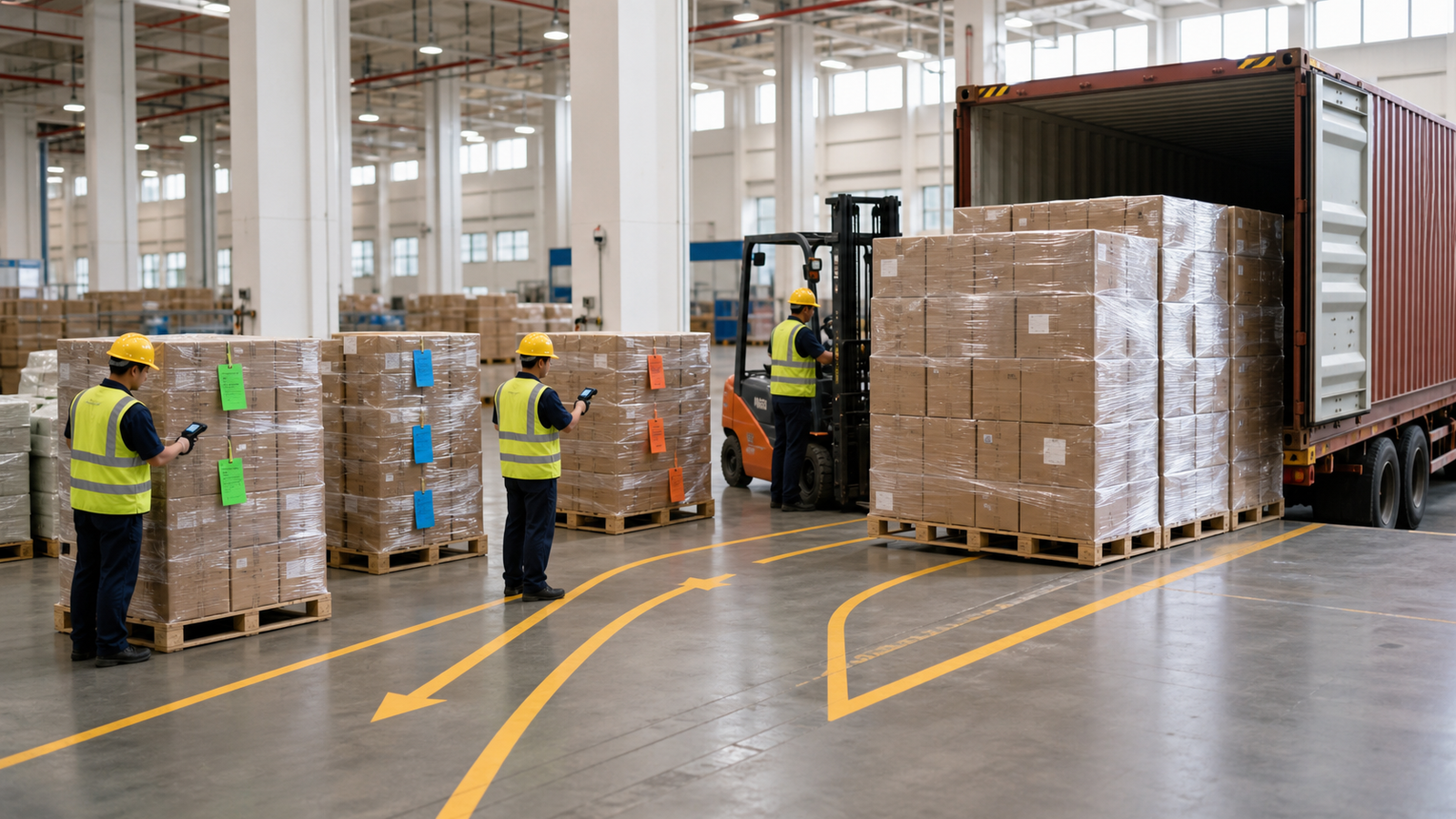
One of our UK customers sourced products from Shenzhen, Dongguan, and Ningbo. Initially, each supplier shipped separately.
Problems included multiple customs entries, higher shipping costs, and inventory delays.
The solution was to consolidate all cargo into one warehouse and arrange a single ocean shipment.
- 23% lower shipping cost
- Simplified customs clearance
- Better inventory planning
This highlights why freight forwarder expertise matters.
Our Recommendations for First-Time Importers
- Don’t choose based only on price.
- Ask detailed logistics questions.
- Request warehouse photos.
- Understand destination charges.
- Work with an experienced freight forwarder.
The goal is not simply moving cargo. The goal is moving cargo reliably.
Frequently Asked Questions
Do I need a freight forwarder if my supplier offers shipping?
Not necessarily, but independent freight forwarders often provide better transparency and more shipping options.
How much does a China freight forwarder charge?
Costs vary depending on cargo size, destination, shipping method, and service level. Always compare total landed cost rather than freight cost alone.
Can a freight forwarder store my products?
Yes. Many freight forwarders offer warehouse and consolidation services.
Should I buy cargo insurance?
For most commercial shipments, cargo insurance is strongly recommended.
Conclusion
Choosing the right China freight forwarder can save money, reduce risk, and improve supply chain reliability.
Instead of selecting the lowest quote, focus on transparency, communication, warehouse capabilities, and destination expertise.
A strong logistics partner becomes an extension of your business.
Planning Your First Shipment from China?
Hamjing Logistics helps importers worldwide with freight forwarding, warehouse consolidation, export logistics, air and ocean freight, and door-to-door shipping.
Contact Hamjing today for a free logistics consultation and shipping quotation.
Need a freight quote from China?
Send Hamjing Logistics your route, cargo details and preferred delivery plan. Sally will review the shipment and reply with the next steps.
Request a quote