
Customs coordination
Customs clearance support that starts with better shipment data.
Customs coordination for importers who need commercial documents, HS code assumptions, declared values and destination handoff checked before freight is booked.
Document quality matters
Most customs problems begin before the goods reach the border.
Incorrect product descriptions, missing packing details, unclear Incoterms or vague declared values can delay clearance. Hamjing helps organize the shipment data and coordinate with the relevant broker or destination partner.
Useful when a shipment includes new products, new destinations, DDP questions or supplier paperwork that needs a careful review.
Brokerage, DDP or consignee clearance
Customs support should match who is legally responsible for importing.
We help clarify whether the shipment should use buyer-arranged brokerage, destination partner coordination or DDP-style delivery depending on the route and consignee setup.
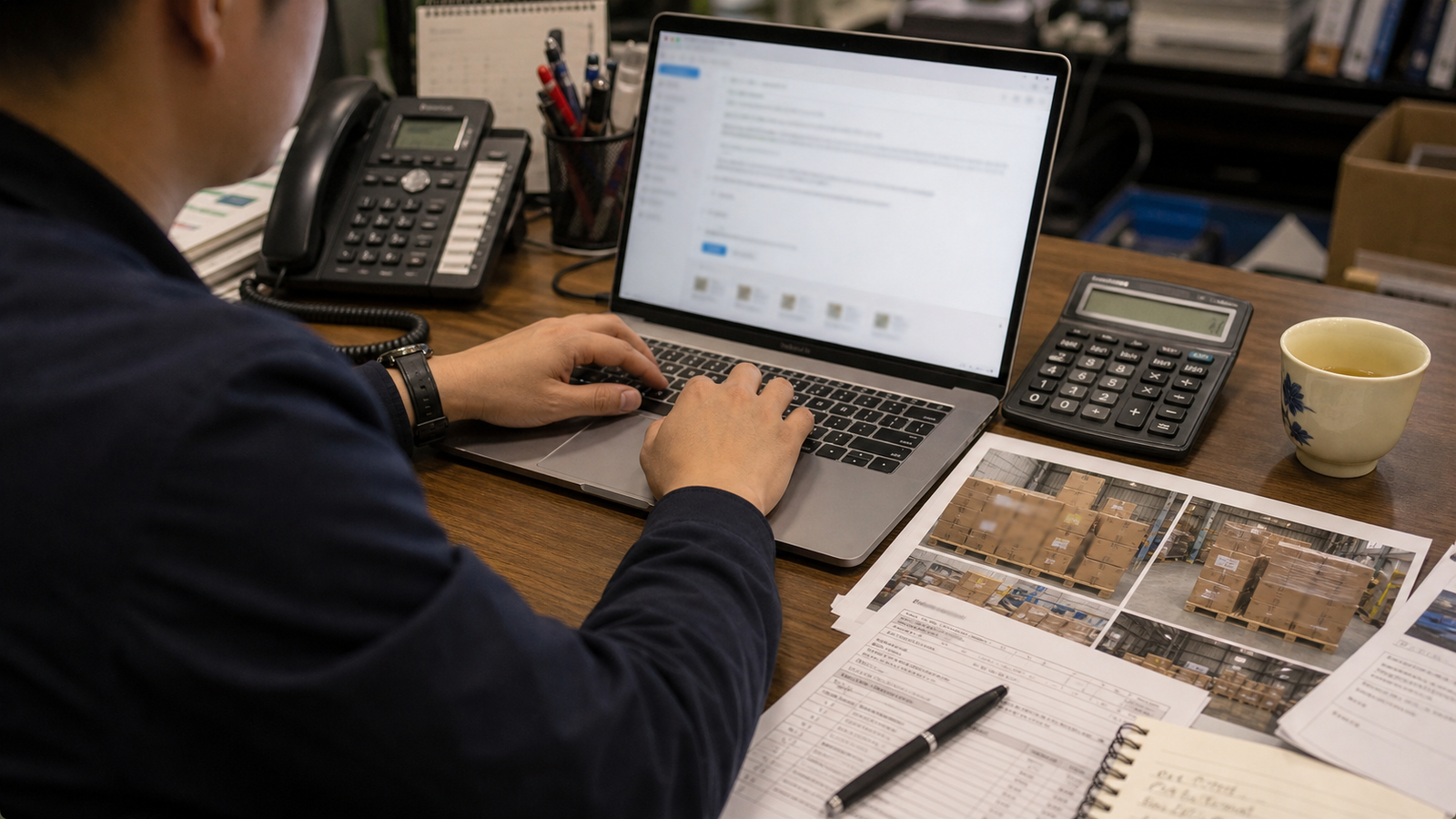
Commercial invoice review
Product names, values, quantities, Incoterms and consignee details need to be consistent before export.
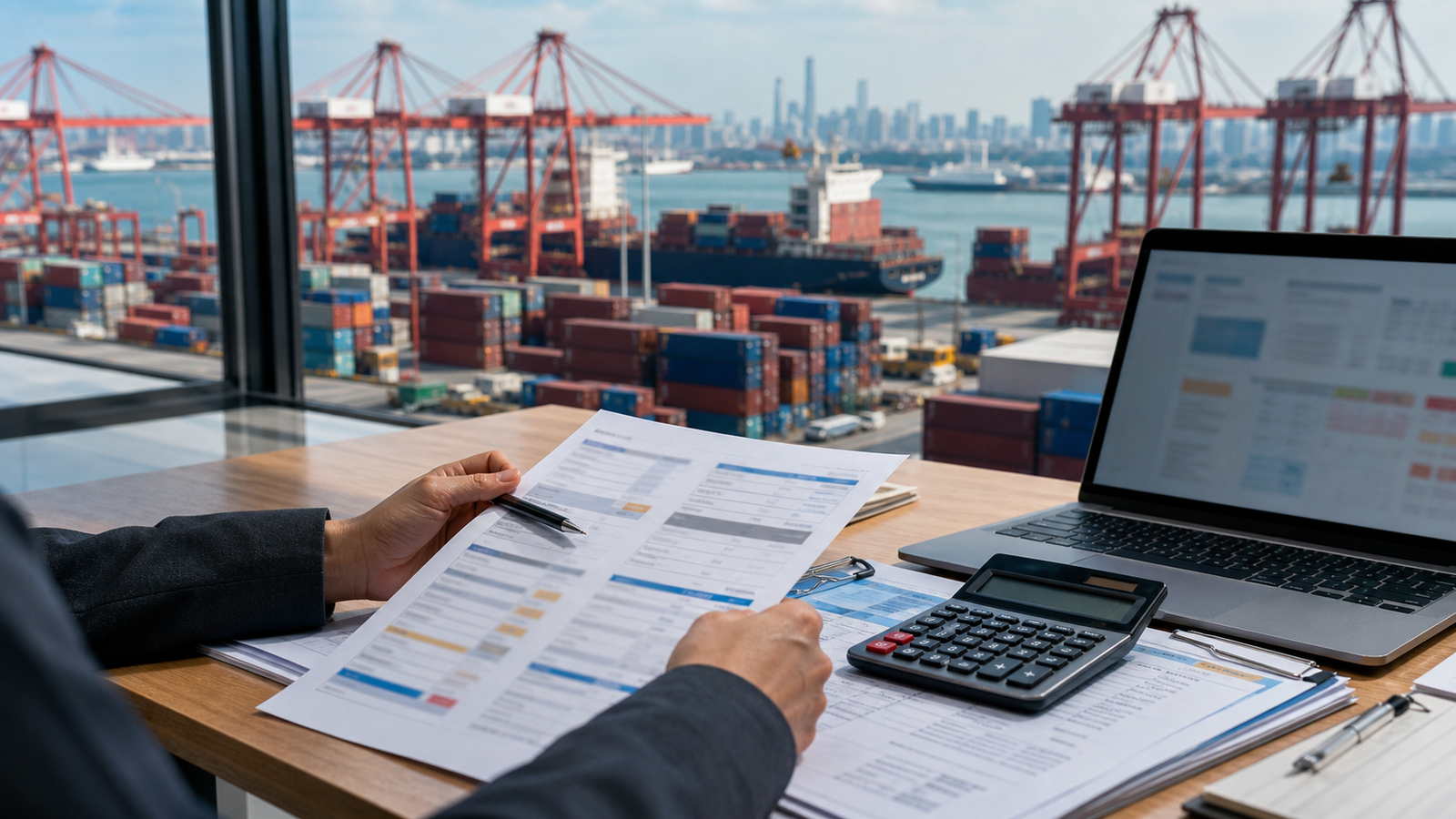
HS code and duty assumptions
We can discuss HS code assumptions and duty exposure with destination partners, while final classification remains importer responsibility where required.
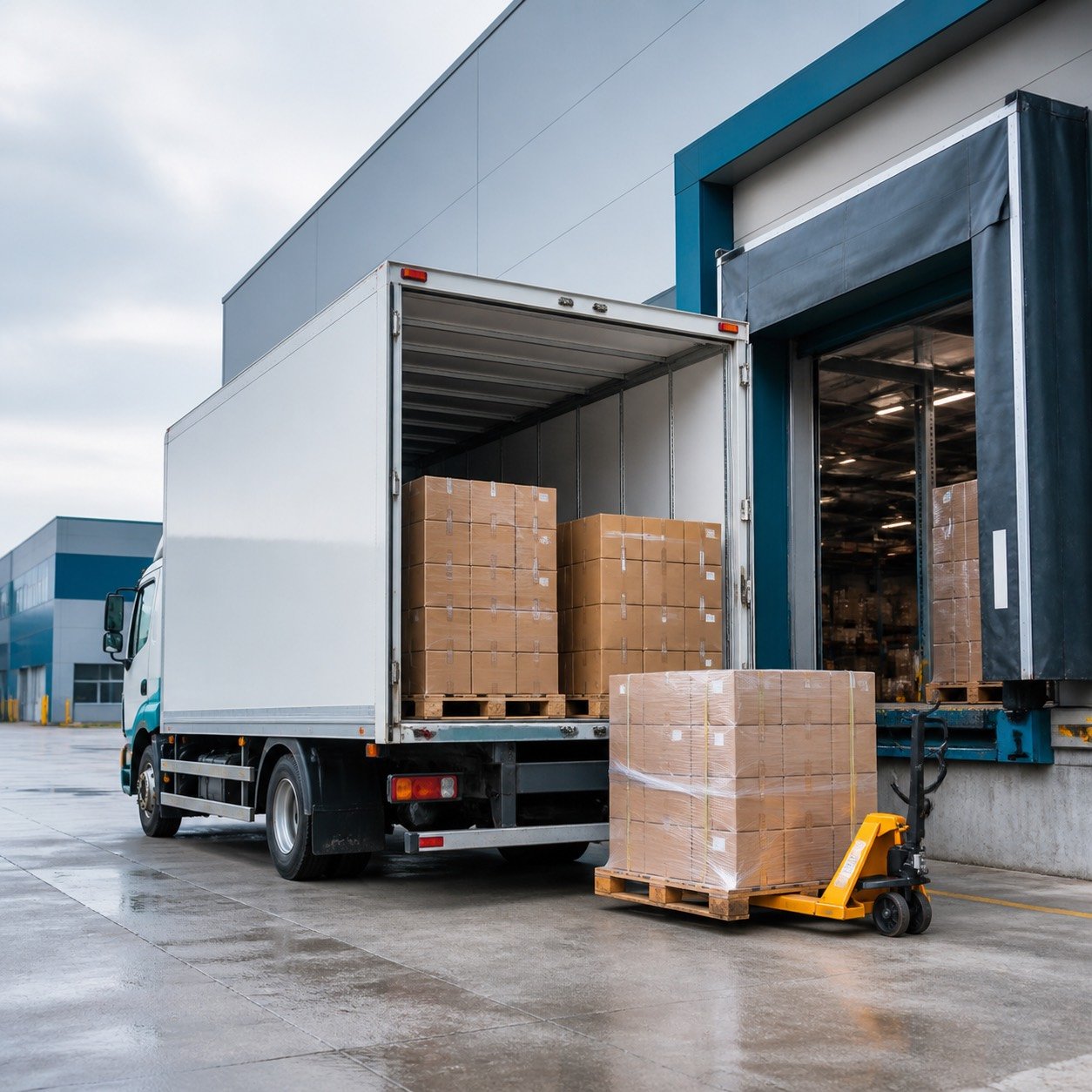
Destination handoff
Clearance is connected to delivery. Warehouse appointments, broker instructions and arrival notices should be planned together.

What we check
Customs support is about reducing avoidable questions.
No freight forwarder can guarantee a customs outcome, but better documents and clearer responsibility reduce avoidable delays.
- Documents
- Commercial invoice, packing list, consignee data, Incoterms and product descriptions.
- Compliance
- HS code assumptions, product restrictions, duty/tax exposure and importer responsibilities.
- Handoff
- Broker instructions, arrival notice, customs release and final delivery coordination.
Typical use cases
Customs coordination is useful whenever the paperwork is not routine.
The more unfamiliar the product, destination or importer setup, the more important document review becomes.
Working process
We connect shipment documents to the actual freight plan.
Customs is not a separate afterthought. It affects route choice, quote scope and delivery timing.
-
1
Collect documents
Gather invoice, packing list, product details and consignee information.
-
2
Review obvious gaps
Check descriptions, values, quantities, Incoterms and address details for inconsistencies.
-
3
Coordinate broker handoff
Share cargo and document data with the relevant destination partner or broker.
-
4
Track release and delivery
Connect customs release timing with final delivery appointment planning.
Service FAQ
Questions importers ask about customs clearance from China.
Can Hamjing be my customs broker in every country?
Customs brokerage rules differ by country. Hamjing coordinates with destination partners and brokers where appropriate, but importer responsibility depends on the destination and service structure.
Who decides the HS code?
We can help review likely HS code assumptions and flag questions. Final classification may need importer or licensed broker confirmation.
What documents are usually needed?
Commercial invoice, packing list, bill of lading or air waybill and consignee/importer information are common. Some products require additional documents.
Can customs delay happen even with good documents?
Yes. Customs can inspect or request information. Good documents reduce avoidable delays but cannot remove all customs risk.
Start a practical quote
Send the commercial documents before the cargo ships.
The best time to fix document problems is before export, not after the goods arrive.
What to send
Send invoice, packing list, product description, material, usage, declared value, destination country and consignee details.
Open quote form