
If this is one of your first times shipping from China, the quote step can feel backwards. The forwarder asks for details you don’t have yet, your supplier gives you numbers that later turn out wrong, and the price you were told changes by the time the goods actually move. None of that means you did something wrong. It’s just how quoting works when the cargo isn’t packed yet.
The good news: you don’t need much to get started. A supplier address, a rough idea of the goods, how many boxes, their size, and the weight is usually enough for a China freight forwarder to give you a first number and explain the options. This guide walks through what to send, what the quote actually depends on, and why it sometimes moves later, in plain terms with no jargon left unexplained.
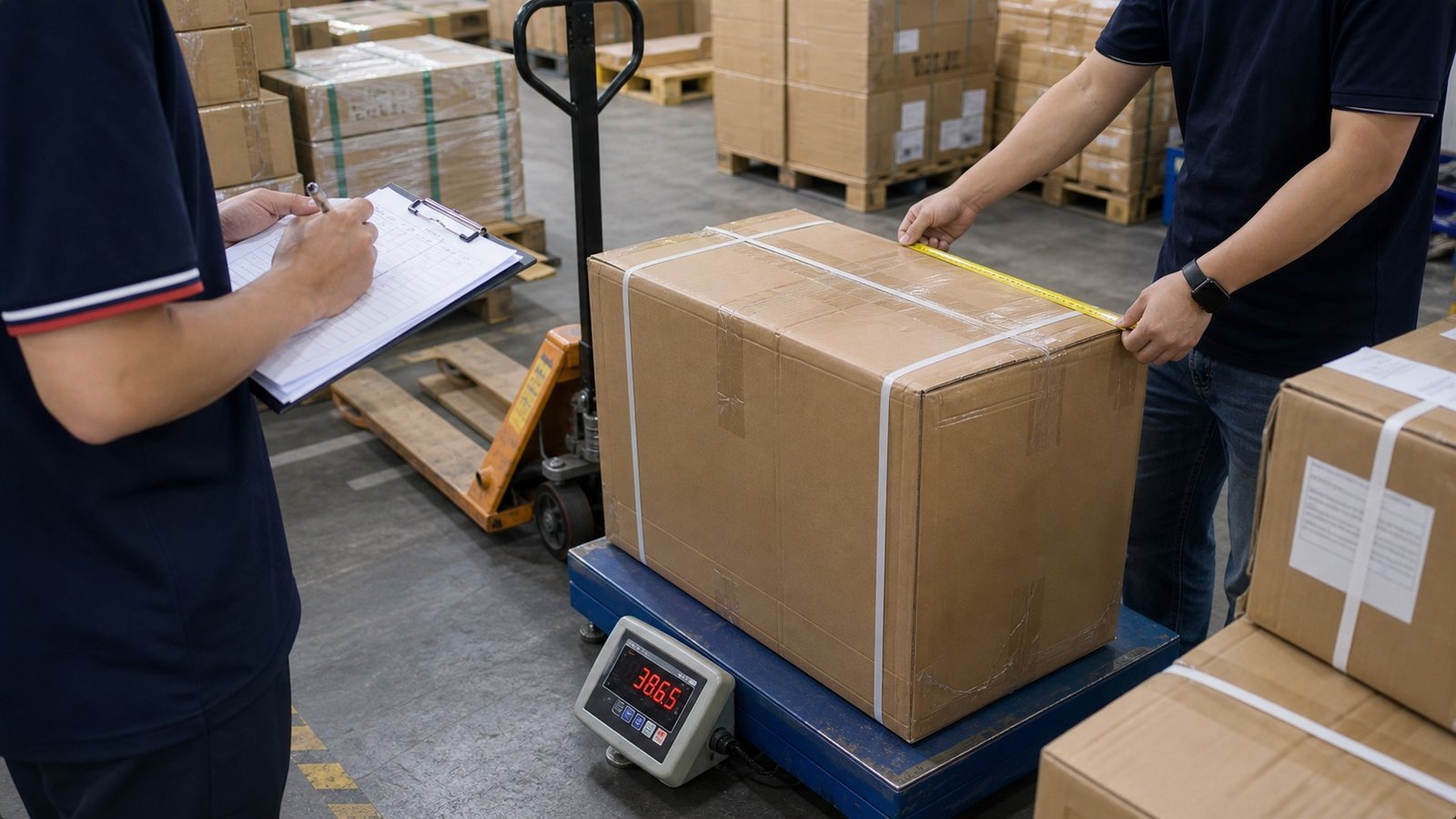
What you need before asking for a quote
Send whatever you have. You can always fill in the rest later. But the more of this list you can give, the closer the first quote will be to the real price:
- Where the goods are (supplier city is fine, full pickup address is better)
- Where they’re going (a port is enough for a rough number; a full address is needed for door delivery)
- What the product is (a plain description, like “plastic storage boxes,” not “goods”)
- Number of cartons
- Carton size (length, width, height)
- Total weight
- When the goods will be ready
If you don’t know a shipping method yet, that’s fine. Say so, and ask the forwarder to compare a couple of options for you. Most complete enquiries get a reviewed answer back within a day or two.
How freight is priced (this is the part that surprises people)
There are two ways your shipment gets charged, and which one applies depends on how you ship.
By sea, you mostly pay for space. Sea freight for smaller shipments is called LCL, less than container load, which means your boxes share a container with other people’s. It’s billed by volume, measured in cubic metres, usually written as CBM. One thing that catches beginners out: there’s a minimum. Most LCL shipments are charged for at least 1 CBM (or 1,000 kg, whichever is larger), so a very small order still gets billed as if it were a full cubic metre. Once your shipment grows to roughly 15 CBM, it’s often cheaper to book a whole container to yourself, which is FCL, full container load.
By air, you pay for weight, but not always the weight on the scale. Airlines charge on “chargeable weight,” the higher of two numbers: the actual weight, or a “volumetric weight” worked out from the box size. The formula is length, width and height in centimetres, multiplied together and divided by 6,000. So a box that measures 80 by 60 by 50 cm counts as 40 kg for billing even if it only weighs 15 kg on the scale, because it takes up a lot of room for its weight. Couriers like DHL and FedEx divide by 5,000 instead, which makes the same box count as heavier still. This is why light but bulky things (cushions, plastic goods, anything in oversized retail packaging) cost more to fly than people expect.
One practical takeaway: for air, tighter packaging saves real money. Squeezing the empty space out of your cartons brings the chargeable weight down, and on light bulky cargo that can shave a meaningful amount off the bill before anyone even talks about rates.
A rough sense of cost and time
Exact rates move week to week, and tariffs change on top of that, so treat anything here as a ballpark for sanity-checking a quote, not a fixed price.
Sea is the cheapest way to move volume, but it’s slow. As a rough guide, sea freight from China takes about two weeks to the US West Coast and around a month to the US East Coast. European and other routes tend to fall in a similar multi-week range, and your forwarder can give the real number for your exact port. Air costs several times more per unit but usually arrives in about three to eight days.
Plan for the part before the ship even sails, too. Goods rarely leave the port the day production finishes. Expect a day or two to truck the cargo from the factory to the port, plus a day or two sitting at the port for export clearance. It’s a small thing, but it surprises a lot of first-time importers who assumed “ready” meant “gone.”
Incoterms, in one plain paragraph
Incoterms are just the rules for who pays for which part of the journey. You’ll mainly meet three. EXW means you (or your forwarder) handle everything from the supplier’s door onward. FOB means the supplier gets the goods onto the ship at a China port and you take it from there. DDP means the price covers everything all the way to your door, duties and taxes included. Here’s the trap: if one supplier quotes EXW and another quotes FOB, you can’t compare the two prices directly, because FOB already includes getting the goods to the port and EXW doesn’t. Ask both to quote on the same term. If you’re new to this, a term that carries the goods further, like FOB, usually means fewer things for you to arrange.
Why the quote sometimes changes later
A first quote is an estimate because the cargo isn’t confirmed yet. It firms up once the real numbers exist. The usual reasons a price moves:
- The supplier packed more cartons than first stated, or bigger ones
- The real weight came in different from the packing list
- The delivery address needs an appointment, a liftgate, or is in a remote area
- Destination charges (customs, handling at the arrival port) weren’t in the first number
- The cargo sat in storage longer than the free days allowed
This is normal, and a good forwarder tells you which parts of a quote are still estimates. The one habit worth building is to compare the total landed cost, not just the headline freight rate. A cheap freight number with fat destination charges hidden behind it is the classic way a “cheap” quote ends up the expensive one.
If you’re buying from more than one supplier
Shipping three small orders separately means paying that 1 CBM minimum three times over, plus three lots of paperwork. It’s usually cheaper and simpler to have all your suppliers send to one warehouse in China first, then ship everything together. That’s called warehouse consolidation in China, and it’s worth asking about early if you have several suppliers in play.
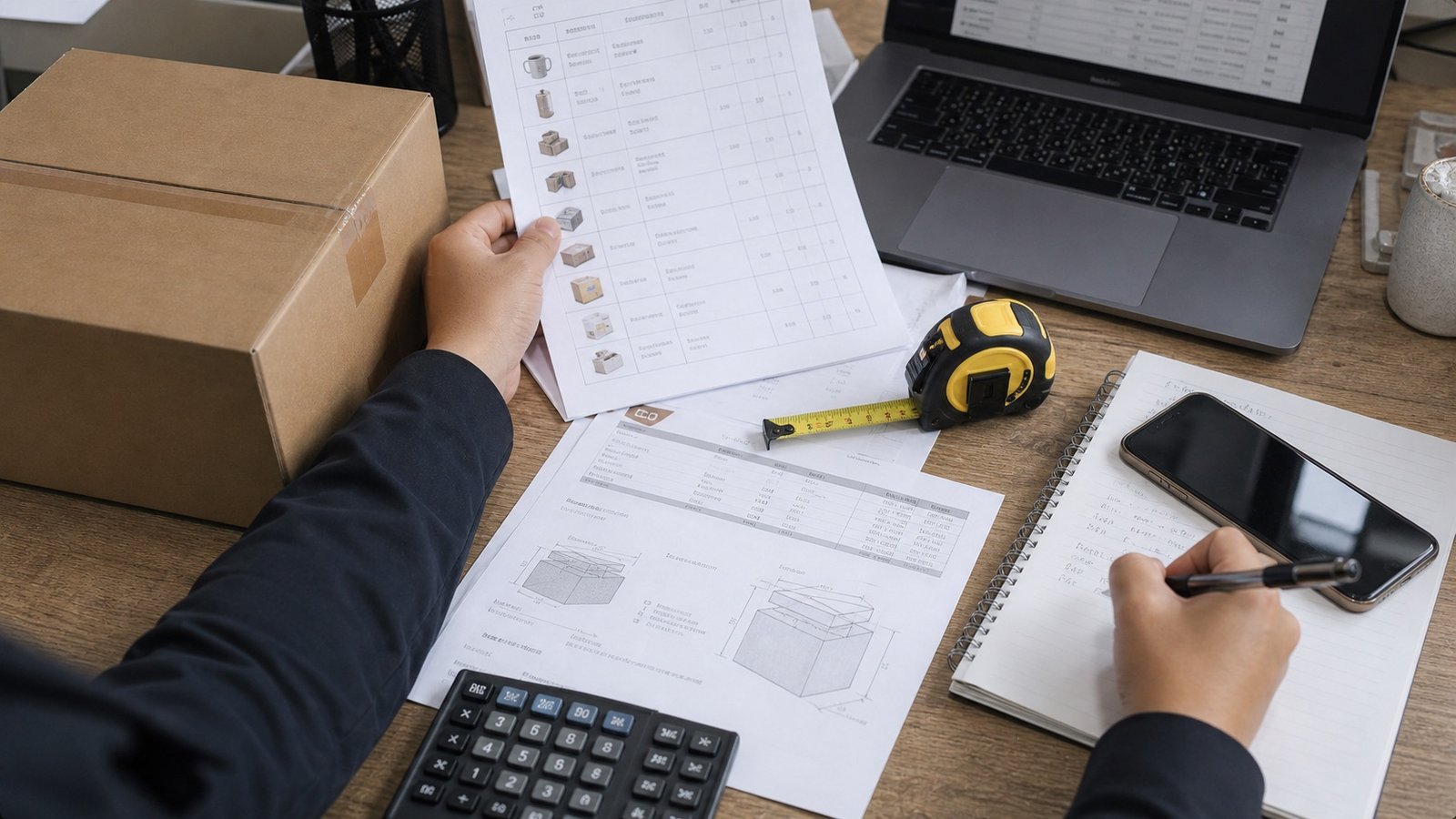
Copy-paste this into your enquiry
Supplier address:
Destination address:
Product name:
Number of cartons:
Carton size (L x W x H):
Total weight:
Cargo ready date:
Preferred shipping method (or "not sure, please compare"):
Need supplier pickup? (Y/N)
Buying from more than one supplier? (Y/N)
Need door delivery / DDP / customs help? (Y/N)
Common questions
Can I get a quote without a packing list?
Yes. Carton count, size, weight and a product name are enough for a first estimate. The packing list just makes it firmer.
Do I need an HS code first?
Not to get started. It becomes useful for working out duties and for DDP quotes, but you can add it later.
How much are the duties and taxes?
Those are separate from freight, they depend on your product and destination country, and the rates change often. A customs broker or your forwarder can confirm the current figure for what you’re importing. Don’t assume the freight quote includes them unless it says DDP.
What’s the difference between LCL and FCL again?
LCL means your goods share a container with others and you pay by volume. FCL means you book a whole container to yourself. Small shipments go LCL; once you’re filling most of a container, FCL is usually cheaper.
The short version
You don’t need a perfect packing list to get a useful quote. Just a supplier address, destination, product name, carton count, carton size, weight and a ready date. Send that and a forwarder can compare sea, air and door-to-door for you and tell you what’s still an estimate.
Ready to try it? Send those details through the quote form and the Hamjing team will come back with practical options and next steps, usually within a day or two.
Related reading: how to choose a reliable freight forwarder in China.
Need a freight quote from China?
Send Hamjing Logistics your route, cargo details and preferred delivery plan. Sally will review the shipment and reply with the next steps.
Request a quote