Here’s a moment that trips up almost every first-time importer. Your supplier finishes the goods, sends a cheerful “ready to ship!” message, and asks for a delivery address. And you realise you don’t actually have one, because your goods aren’t going straight to your country yet. There’s a step in between that nobody mentioned.
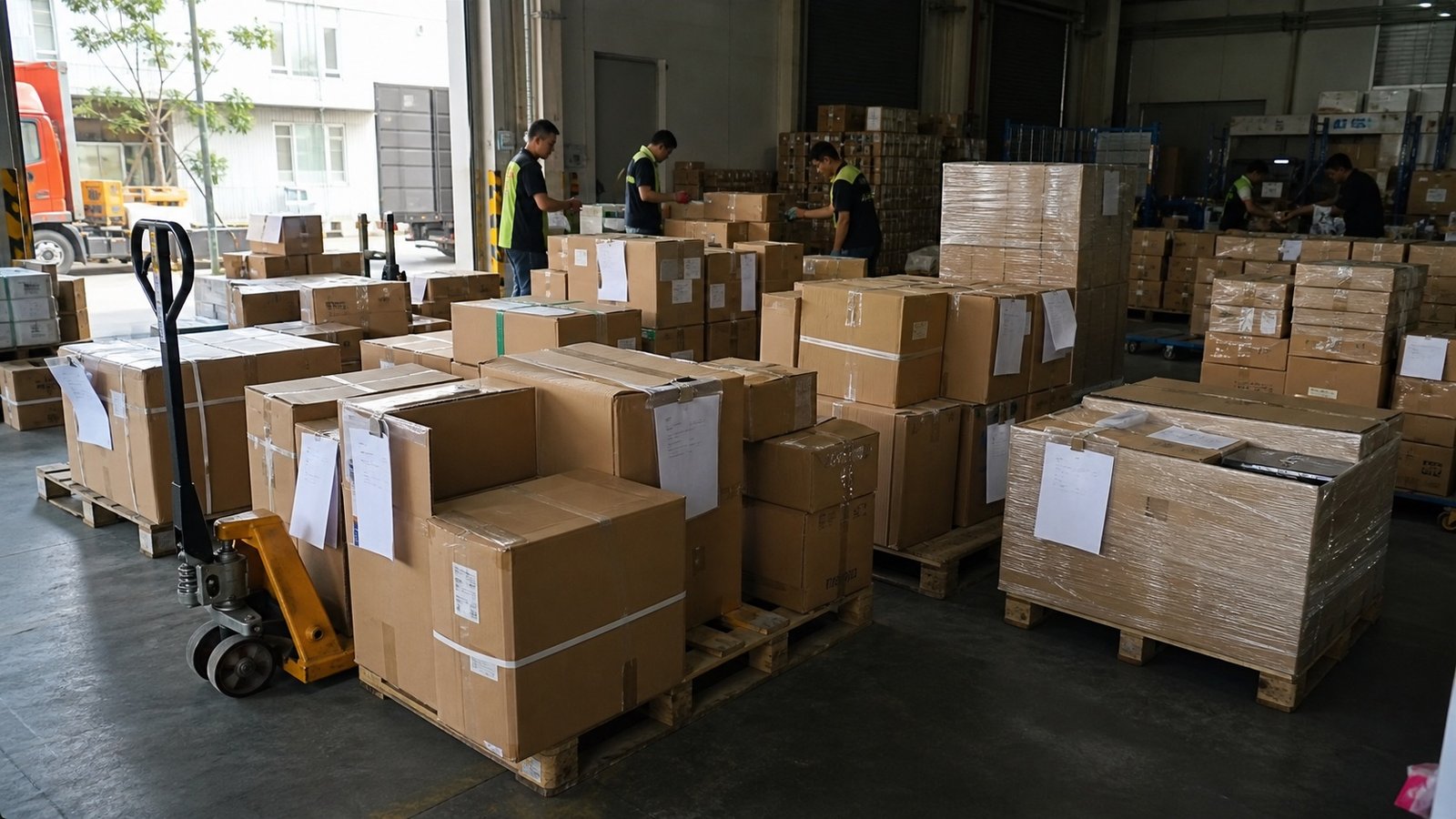
That in-between step is what a China warehouse shipping service is for. In plain terms, it’s a place inside China that receives your goods from the supplier, checks and counts them, holds them if needed, and then handles the export shipping. If you’re buying from more than one factory, it’s also where everything gets combined into one shipment. A China freight forwarder runs this so you don’t have to be in China to manage it yourself.
Do you even need one?
Not always. If a single supplier fills a whole container and sends it straight to the port, a warehouse just adds a step you don’t need.
It earns its place when the shipment is messier than that. The common cases: you’re buying from several suppliers and want them combined; your order is too small to fill a container (so you’re shipping LCL and paying by volume); you want the cartons measured and checked before you trust the freight quote; the goods need to wait somewhere while a slow supplier catches up or a sailing gets booked; or you’re sending to Amazon and the cartons need labels and prep first. If any of those sound like your situation, the warehouse stage is probably where you’ll save money and headaches.
What actually happens when your goods arrive
When the supplier’s truck shows up, the warehouse matches the cargo to your order, counts the cartons, checks the outside of the boxes for damage, takes photos, and records the date. If you’ve asked for it, they’ll measure and weigh the cartons too. Then everything gets marked with your shipment and stored until it’s ready to go.
It sounds basic, and it is, but skipping it causes real delays. The single most common cause of a stuck shipment is a box that arrives with no name on it, so nobody at the warehouse can tell whose order it belongs to. If you take one thing from this section: tell your supplier to write your name or a reference on every carton before they ship.
“Received” does not mean “quality checked”
This is worth being clear about, because the words sound similar and the difference costs money. When a warehouse receives your goods, it checks the shipping basics: that the right number of cartons arrived, that they aren’t crushed, that the supplier name matches the paperwork. It does not open the boxes and check whether the product actually works, whether the colour is right, or whether the count inside each carton is correct.
If you want the product itself inspected, that’s a separate job (a quality inspection, often done to a standard called AQL) and you arrange it on purpose. Don’t assume a normal receiving check quietly covers it. It doesn’t, and finding that out after the goods have shipped is an expensive surprise.
Why they measure your cartons
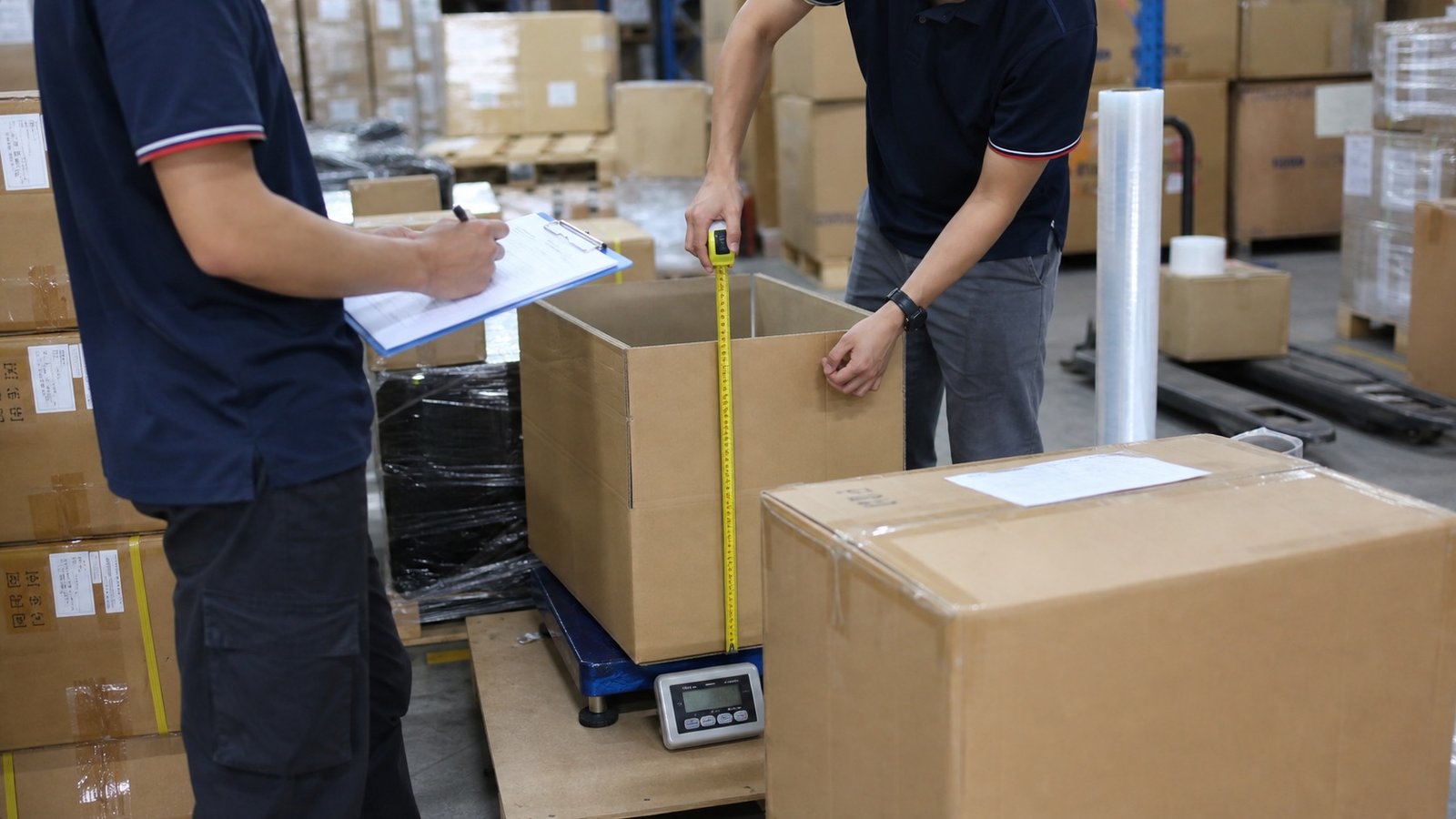
Most freight quotes start from the sizes your supplier gave you, and those numbers are often a bit off. Sometimes the supplier rounds them. Sometimes they send the size of the product box instead of the bigger export carton. Sometimes the count changes after the goods are actually packed. Measuring at the warehouse confirms the real numbers before anything gets booked.
This matters because, as covered in getting a freight quote from China, sea freight is charged by volume and air by chargeable weight. If the real size comes in bigger than the estimate, the price goes up. It’s far better to learn that in China, while you can still do something about it, than after the goods land at the other end.
Combining several suppliers into one shipment
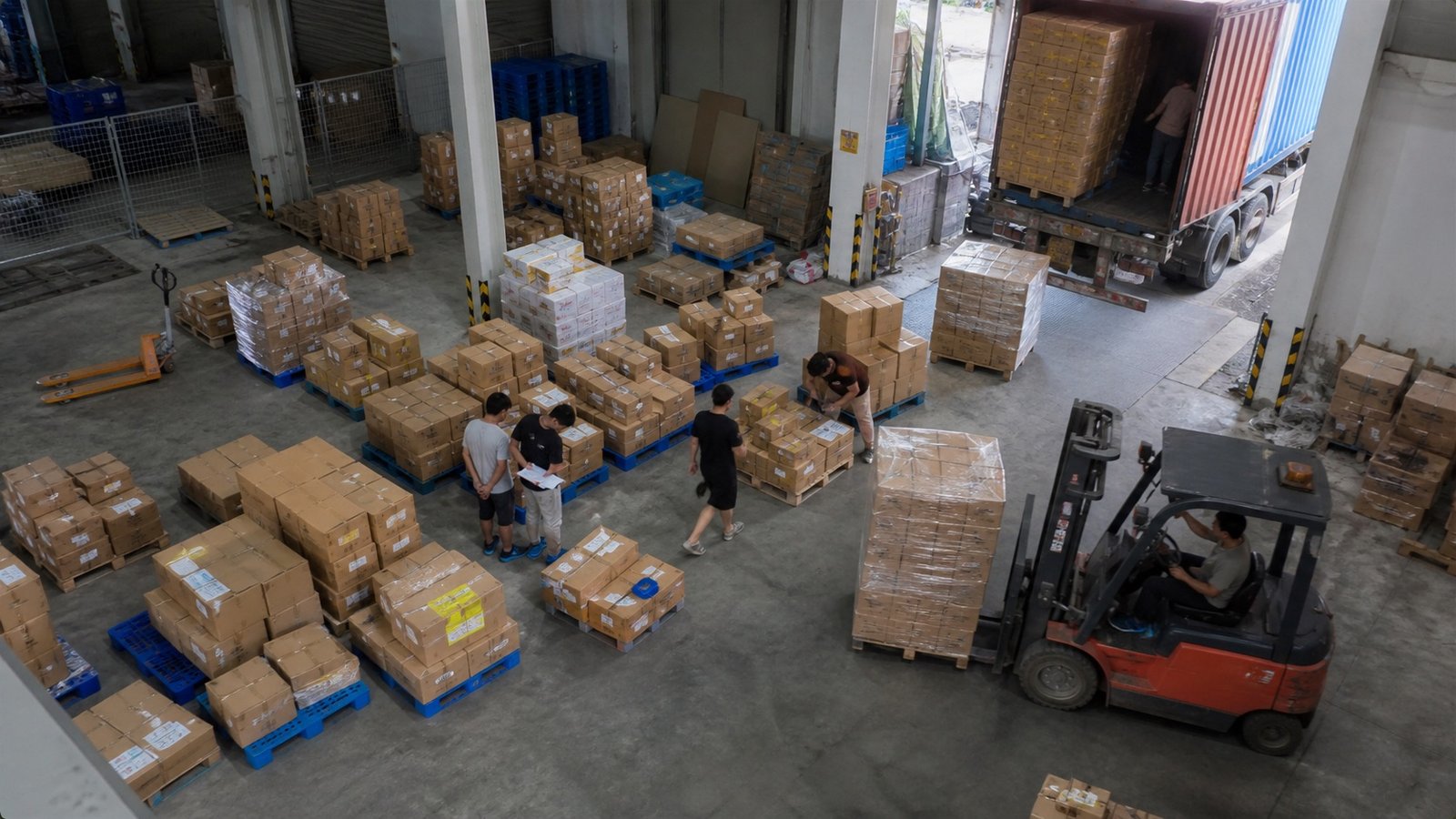
This is the part that saves the most money, so it’s worth understanding. Say you’re buying from three suppliers, one in Shenzhen, one in Dongguan, one in Foshan. Ship them separately and you pay three separate LCL minimum charges, do three sets of documents, and track three shipments. Send them all to one warehouse first and they go out as a single shipment, on one set of paperwork, usually at a lower total cost. Combining small shipments like this is called consolidation, and for anyone buying from multiple factories it’s the main reason to use a warehouse at all.
Storage: ask this before the goods arrive
A forwarder warehouse doubles as short-term storage while your shipment comes together. That’s useful when one supplier is ready before the others, or while you wait on a sailing, documents, or labels. The thing to sort out up front is simple: how many days of free storage are included, and what it costs per day after that. Storage fees are rarely large, but you want to know the number before the goods show up, not discover it on the final bill.
The documents you’ll need
Before the shipment can leave China, the forwarder usually needs a commercial invoice, a packing list, and a clear product description. Depending on what you’re shipping, you may also need an HS code (a product classification number for customs), battery paperwork if the goods contain batteries, or a treatment mark on any wooden packaging. If you’re sending to Amazon, add the FBA carton labels and the final address.
One easy win: be specific in the product description. “Accessories” tells customs nothing and can slow things down. “Plastic phone case” or “cotton tote bag” moves the paperwork along. Clear descriptions are one of the cheapest ways to avoid a customs delay.
How to send goods to the warehouse
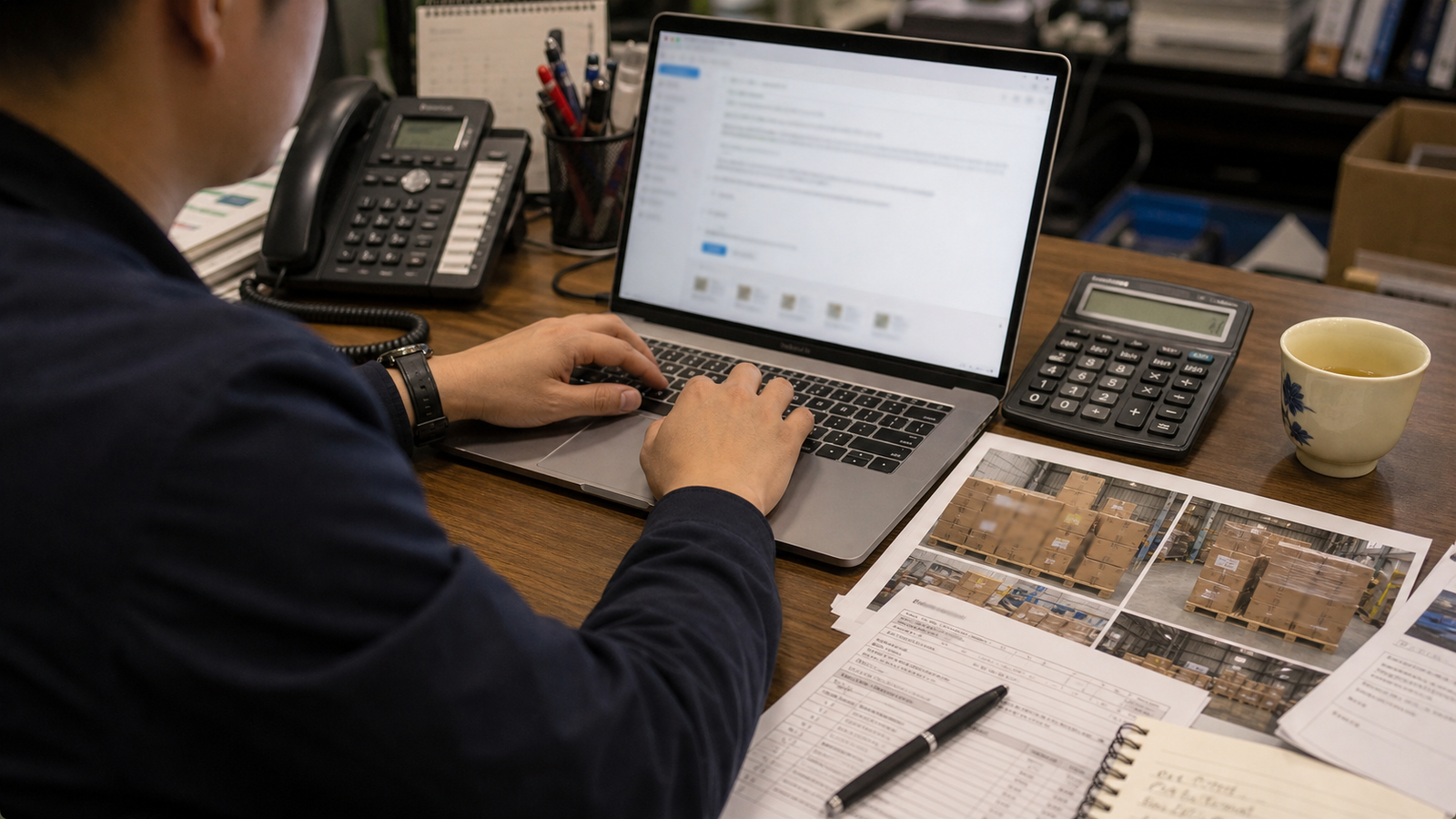
The clean way to do it: agree the plan with your forwarder first, get the correct warehouse address, tell your supplier to mark every carton with your name or reference, send the warehouse the supplier’s delivery details before the goods arrive, and share your packing list. Then wait for the warehouse to confirm they’ve received everything before you assume it’s all there. Doing it in that order is what keeps boxes from going missing and shipments from slipping past a booking cutoff.
Common questions
Can one warehouse receive goods from several suppliers?
Yes. That’s one of the main reasons importers use a forwarder warehouse in China.
Can they measure my cartons before quoting?
Yes, once the goods have arrived. Real measurements make the freight quote much more accurate.
Can Hamjing store my goods before shipping?
Yes, for short-term storage while a shipment is being prepared or consolidated. Ask about the free-day allowance.
Is receiving the same as a quality inspection?
No. Receiving checks the outside and the counts. Checking the product itself is a separate inspection you arrange on purpose.
Can the warehouse prep my goods for Amazon FBA?
For most shipments, yes, including carton labels, pallet planning and accurate shipment data.
The short version
A China warehouse shipping service covers the stage between “the goods are ready” and “the shipment sails”: receiving from your suppliers, counting and measuring, short-term storage, combining multiple suppliers, and prepping the export paperwork. If you’re working with several suppliers or your packing details are still fuzzy, getting this stage right is what makes the whole shipment cheaper to quote and easier to move.
Suppliers asking where to deliver? Send Hamjing your supplier cities and cargo details through the quote form, and the Hamjing team will set up receiving in China and map out the export plan, usually within a day or two.
Related reading: how to choose a reliable freight forwarder in China.
Need a freight quote from China?
Send Hamjing Logistics your route, cargo details and preferred delivery plan. Sally will review the shipment and reply with the next steps.
Request a quote